Explicit Enforcement of Desirable Action Space Properties in Deep Learning Models for Robotic Control
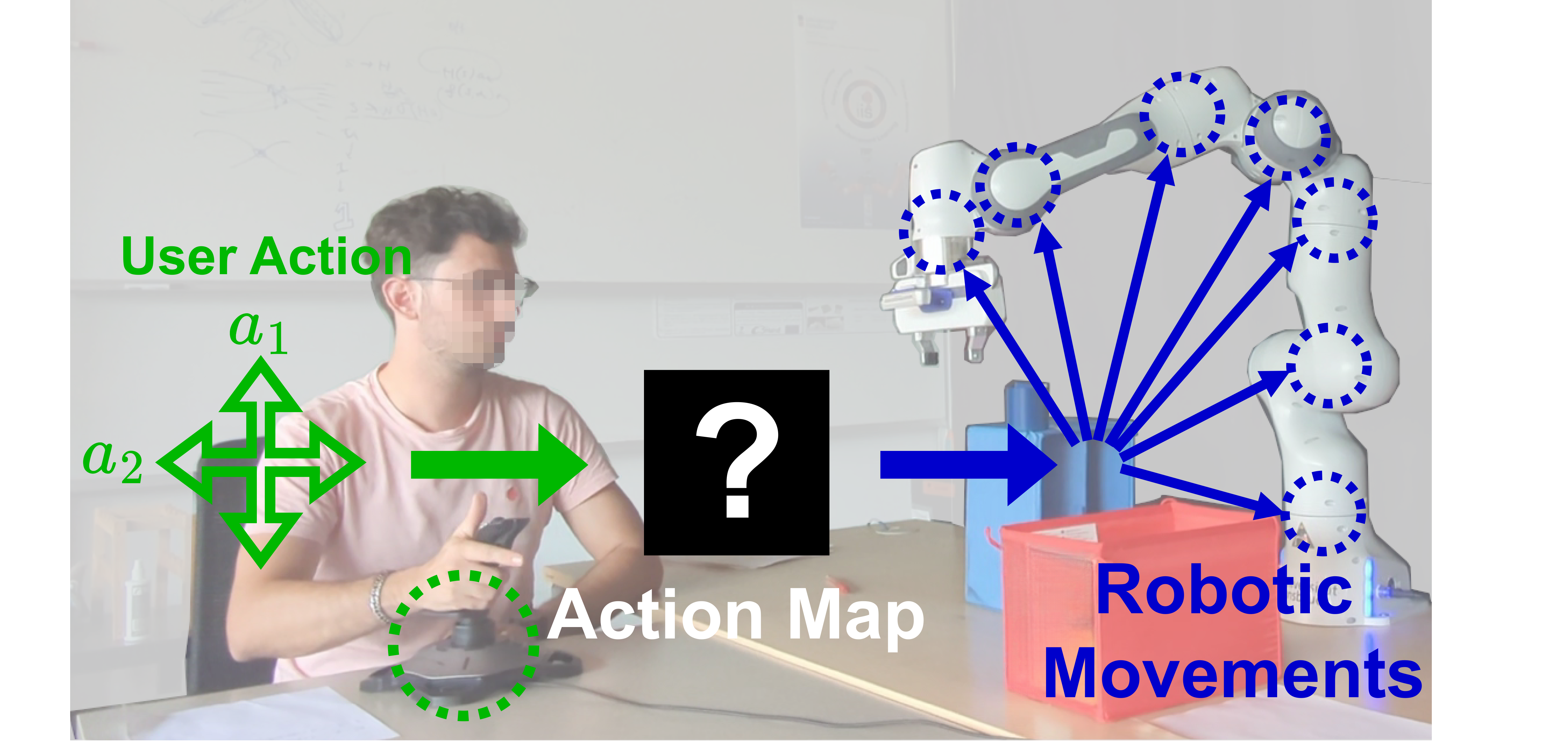
This dissertation presents three contributions to robot learning: local-linear networks for interpretable teleoperation, Bayesian-augmented movement primitives for data-efficient skill learning, and topology-aware cross-embodiment policy transfer. The unifying thesis is that encoding robotic domain knowledge (spatial, temporal, and structural) into deep learning architectures improves generalization, data efficiency, and interpretability for both autonomous agents and human operators.